







Introduction
Exam preparation tips are essential for every student who wants to achieve better grades and build a strong academic future. Whether you are in school, college, or preparing for competitive exams, having a proper study strategy can make a huge difference in your performance. Many students struggle not because they lack ability, but because they do not follow the right study methods or planning techniques.
In today’s competitive world, smart preparation is more important than hard study alone. Using effective exam preparation tips helps students manage time, improve memory, reduce stress, and understand concepts clearly instead of memorizing blindly. When students follow a structured approach, they feel more confident and perform better in exams.
This article will guide you through practical, easy-to-follow, and proven exam preparation tips that can help beginners as well as intermediate learners. You will learn how to plan your studies, improve concentration, revise effectively, and avoid common mistakes. By applying these techniques consistently, you can transform your study routine and achieve better academic results without unnecessary pressure or confusion.
What is Exam Preparation?
Exam preparation refers to the process of organizing, studying, and revising academic material in a structured way before an examination. It involves understanding subjects, practicing questions, revising notes, and managing time effectively. The goal of exam preparation is not just to pass exams but to achieve good marks with a clear understanding of concepts.
Effective exam preparation tips help students break down large topics into smaller parts, making learning easier and more manageable. It also includes practicing past papers, creating study schedules, and focusing on weak areas. A proper preparation strategy ensures that students are not overwhelmed at the last moment.
Good exam preparation is not about studying all day and night. Instead, it focuses on smart study techniques such as active recall, spaced repetition, and regular revision. These methods help the brain retain information for a longer time and improve overall performance in exams.
Why is Exam Preparation Important?


Exam preparation is important because it directly affects a student’s academic performance and confidence level. Without proper preparation, even well-learned concepts can be forgotten during exams due to stress or lack of revision.
One of the main reasons exam preparation tips are important is that they help reduce exam anxiety. When students are well-prepared, they feel more confident and less stressed during the exam period. This leads to better focus and improved answers.
Another reason is time management. Proper preparation allows students to allocate time for each subject and topic, ensuring that nothing is left behind. It also helps in identifying weak areas early so they can be improved before the exam.
Lastly, effective preparation builds discipline and study habits that are useful not only in academics but also in professional life. Students who follow structured preparation methods tend to perform consistently better in their studies.
Detailed Step-by-Step Guide for Exam Preparation
Step 1: Create a Study Plan
A well-structured study plan is the foundation of effective preparation. Start by listing all subjects and dividing them into daily or weekly goals. This ensures balanced coverage of the syllabus.
While making your plan, prioritize difficult subjects first and allocate more time to them. Keep your schedule realistic so that you can follow it consistently without stress.
Step 2: Understand the Syllabus
Before starting preparation, it is important to understand the complete syllabus. This helps you know what to study and what to ignore. Many students waste time studying unnecessary topics.
Go through each subject carefully and mark important chapters. This step ensures focused learning and better use of time.
Step 3: Take Effective Notes
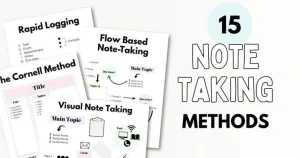
Note-making is one of the most powerful exam preparation tips. Writing short and clear notes helps in quick revision later.
Use bullet points, headings, and diagrams to make notes more understandable. Avoid writing long paragraphs. Focus on key concepts and important points only.
Step 4: Practice Regularly
Practice is essential for better understanding. Solve past papers, sample questions, and quizzes regularly. This improves problem-solving skills and speed.
Regular practice also helps you understand exam patterns and frequently asked questions.
Step 5: Revise Consistently
Revision is the key to long-term memory retention. Revise your topics multiple times instead of studying once and forgetting.
Follow a revision schedule where you review topics weekly. This strengthens memory and boosts confidence before exams.
Benefits of Exam Preparation Tips
- Improves time management skills
- Reduces exam stress and anxiety
- Enhances memory retention
- Builds confidence in students
- Helps in better understanding of concepts
- Increases chances of higher grades
- Develops self-discipline and consistency
Disadvantages / Risks of Poor Preparation
- Increases stress and pressure before exams
- Leads to poor time management
- Causes confusion during exams
- Results in incomplete syllabus coverage
- Reduces confidence level
- May lead to low academic performance
Common Mistakes to Avoid
Many students make mistakes during exam preparation that reduce their performance. One common mistake is last-minute cramming. This does not help in long-term understanding and increases stress.
Another mistake is ignoring difficult subjects. Students often focus only on easy topics, which creates imbalance in preparation.
Poor time management is also a major issue. Without a proper schedule, students waste time and fail to complete the syllabus.
Lastly, avoiding revision is a big mistake. Without revision, even studied topics can be forgotten easily during exams.
FAQs about Exam Preparation Tips
What are the best exam preparation tips for students?
The best exam preparation tips include creating a study plan, taking notes, practicing regularly, and revising consistently. These methods help improve understanding and memory.
How many hours should I study daily for exams?
It depends on your syllabus, but 4–6 focused hours of study with breaks is usually effective for most students.
How can I improve my memory for exams?
You can improve memory by revising regularly, using diagrams, practicing active recall, and avoiding distractions during study time.
Is group study helpful for exam preparation?
Yes, group study can be helpful if it is well-managed. It allows discussion of difficult topics and improves understanding.
How important is revision in exam preparation?
Revision is extremely important. It helps strengthen memory and ensures that you remember concepts during the exam.
What should I avoid during exam preparation?
Avoid last-minute studying, distractions, poor planning, and ignoring difficult subjects. These can negatively affect your performance.
Expert Tips & Bonus Points
Experts recommend following a disciplined routine for better results. One of the most effective exam preparation tips is studying in short sessions with regular breaks, known as the Pomodoro technique. This improves focus and reduces fatigue.
Another useful tip is to study during your most productive hours, usually in the morning or whenever you feel most alert. Avoid multitasking while studying as it reduces concentration.
Maintaining a healthy lifestyle is also important. Proper sleep, balanced diet, and light exercise improve brain function and memory retention.
Using visual learning techniques such as charts, mind maps, and diagrams can also make learning easier and more effective.
Finally, stay consistent. Even small daily efforts can lead to big improvements over time.
Conclusion
Exam preparation is not just about studying hard but about studying smart. By following effective exam preparation tips, students can improve their academic performance, reduce stress, and build strong confidence. A proper strategy helps in managing time, understanding subjects clearly, and retaining information for a longer period.
In today’s competitive education system, students who plan their studies well always perform better than those who study randomly. Consistency and discipline play a major role in success. Whether you are preparing for school exams or competitive tests, having a clear study plan and following proven techniques can make your journey easier and more successful.
Remember that success in exams is not achieved overnight. It comes from regular practice, revision, and dedication. If you apply these exam preparation tips in your daily routine, you will notice a significant improvement in your understanding and performance. Stay focused, stay consistent, and success will follow naturally.


