

Introduction
Note taking tips for students are one of the most powerful academic skills that can dramatically improve learning, memory retention, and exam performance. In today’s fast-paced education system, students study are often overwhelmed with information from lectures, textbooks, and online resources. Without proper it becomes difficult to organize knowledge in a meaningful way. That is why developing strong is essential for academic success.
Effective notes help students understand complex topics, revise faster, and remember important concepts for a longer time. Whether you are in school, college, or preparing for competitive exams, applying the right note taking tips for students can save time and reduce stress during revision. Many students struggle because they write everything down without structure, which makes revision confusing. However, when proper are applied, learning becomes more structured and efficient.
In this article, you will learn practical, easy, and proven note taking tips for students that can help beginners and intermediate learners improve their study habits. These methods are designed to make learning active, organized, and effective for long-term academic growth.
What is Note Taking?
Note taking is the process of writing down important information from lectures, books, or discussions in a structured way. It is not about copying everything word-for-word but about understanding and summarizing key ideas. Good note taking tips for students focus on capturing the main points clearly so that revision becomes easier later.
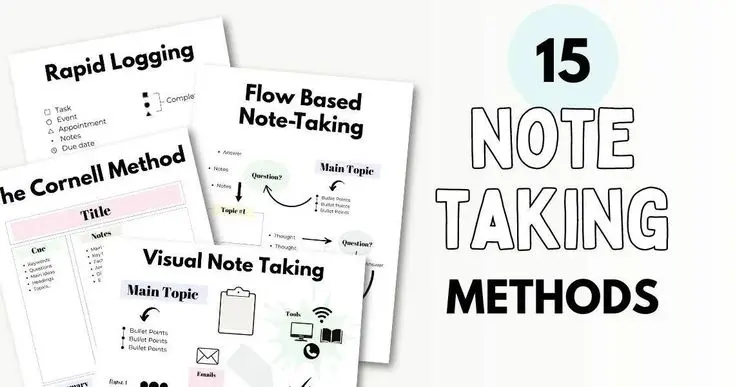
There are different methods of note taking such as the Cornell method, mind mapping, outlining, and charting. Each method serves a different learning style and helps students organize information effectively. When students apply proper note taking tips for students, they can filter unnecessary details and focus on important concepts that matter most in exams and assignments.
Why is Note Taking Important?

Note taking plays a crucial role in academic success because it helps students actively engage with the learning material. Instead of just listening or reading, students process information while writing it down, which improves understanding and memory retention. That is why note taking tips for students are widely recommended by educators and academic experts.
Another important reason is revision efficiency. Well-structured notes allow students to quickly review topics before exams without going through entire textbooks. This saves time and reduces stress. Additionally, note taking tips for students help improve focus during lectures because students are more attentive when they know they need to summarize information.
Detailed Step-by-Step Guide
Step 1: Prepare Before Class
Before attending a lecture, students should review previous notes and get familiar with the topic. This makes it easier to understand new information. One of the most effective note taking tips for students is preparation because it builds a strong foundation.
Step 2: Use Structured Methods
Students should choose a note taking method that suits their learning style. For example, the Cornell method divides the page into sections for main points, details, and summaries. Mind mapping is useful for visual learners. These note taking tips for students help organize thoughts clearly and logically.
Step 3: Focus on Key Points
Instead of writing everything, students should listen carefully and write only important concepts, keywords, and examples. This is one of the core note taking tips for students that improves efficiency and understanding.
Step 4: Use Abbreviations and Symbols
Using shortcuts, abbreviations, and symbols can save time during lectures. For example, using arrows, bullets, and shorthand helps speed up writing without losing meaning. These note taking tips for students make the process faster and more effective.
Step 5: Review and Edit Notes
After class, students should revise and clean up their notes. Adding missing details and highlighting important points improves clarity. This step ensures that note taking tips for students are fully effective for long-term learning.
Benefits of Note Taking Tips for Students
- Improves memory retention and understanding
- Helps in faster revision before exams
- Enhances focus during lectures
- Organizes information in a structured way
- Reduces study stress and confusion
- Encourages active learning habits
- Improves academic performance overall
These benefits show why note taking tips for students are essential for every learner who wants to succeed academically.
Disadvantages / Risks
- Poor note taking can lead to confusion
- Writing too much reduces focus on understanding
- Over-reliance on notes may reduce critical thinking
- Disorganized notes make revision difficult
- Time-consuming if not done efficiently
Even though note taking tips for students are helpful, improper use can reduce their effectiveness. That is why students must apply them correctly.
Common Mistakes to Avoid
Many students make mistakes while taking notes that reduce their effectiveness. One common mistake is writing everything word-for-word instead of summarizing. Another mistake is not organizing notes properly, which makes revision difficult. Ignoring headings and structure also weakens understanding.
Some students also fail to review their notes after class, which reduces retention. Another major mistake is using unclear handwriting or inconsistent formats. By avoiding these errors and applying proper note taking tips for students, learners can improve their academic performance significantly.
FAQs
What are the best note taking tips for students?
The best note taking tips for students include using structured methods, focusing on key points, and reviewing notes regularly. These strategies help improve understanding and memory retention effectively.
Which note taking method is most effective?
There is no single best method, but Cornell notes and mind mapping are highly effective. Choosing the right method depends on the student’s learning style and subject type.
How can students improve note taking speed?
Students can improve speed by using abbreviations, symbols, and focusing only on important information. Regular practice also helps increase efficiency.
Why do students struggle with note taking?
Many students struggle because they try to write everything down or lack proper structure. Using note taking tips for students can solve this problem effectively.
Should notes be handwritten or digital?
Both are useful. Handwritten notes improve memory, while digital notes offer convenience and organization. Students should choose based on preference.
How often should notes be revised?
Students should revise notes weekly or before exams. Regular revision strengthens memory and ensures better understanding.
Expert Tips & Bonus Points
Experts recommend that students combine different note taking techniques for better results. For example, using mind maps for revision and Cornell notes for lectures can improve understanding. Another expert tip is to use colors or highlighting to emphasize important points.
Consistency is also key. Practicing note taking tips for students daily helps develop strong academic habits. Additionally, students should avoid passive writing and instead focus on understanding concepts while taking notes.
Using technology like note apps can also improve organization. However, students should ensure they do not get distracted while using digital tools. Effective note taking tips for students are all about balance, clarity, and consistency.
Conclusion
Note taking is a powerful academic skill that every student must develop for long-term success. When applied correctly, note taking tips for students can transform the way learners understand and retain information. From improving memory to enhancing revision speed, these techniques provide multiple benefits that directly impact academic performance.
In today’s competitive education system, students who use structured note taking tips for students have a clear advantage over others. They can revise faster, understand better, and perform more confidently in exams. However, it is important to practice these techniques consistently to see real improvement.
By avoiding common mistakes, choosing the right method, and applying expert strategies, students can make learning more effective and less stressful. Ultimately, mastering note taking tips for students is not just about writing notes—it is about building a strong foundation for lifelong learning and academic success.
